Blog
School Transportation Starts with the Family
Kimberly Moore of Go Together explains how school verified carpools can help districts plan around the trips families already make.

A district can redraw a bus route and still miss the way families actually get children to school. Parents may already be driving, sharing rides informally, or changing work schedules to cover a pickup.
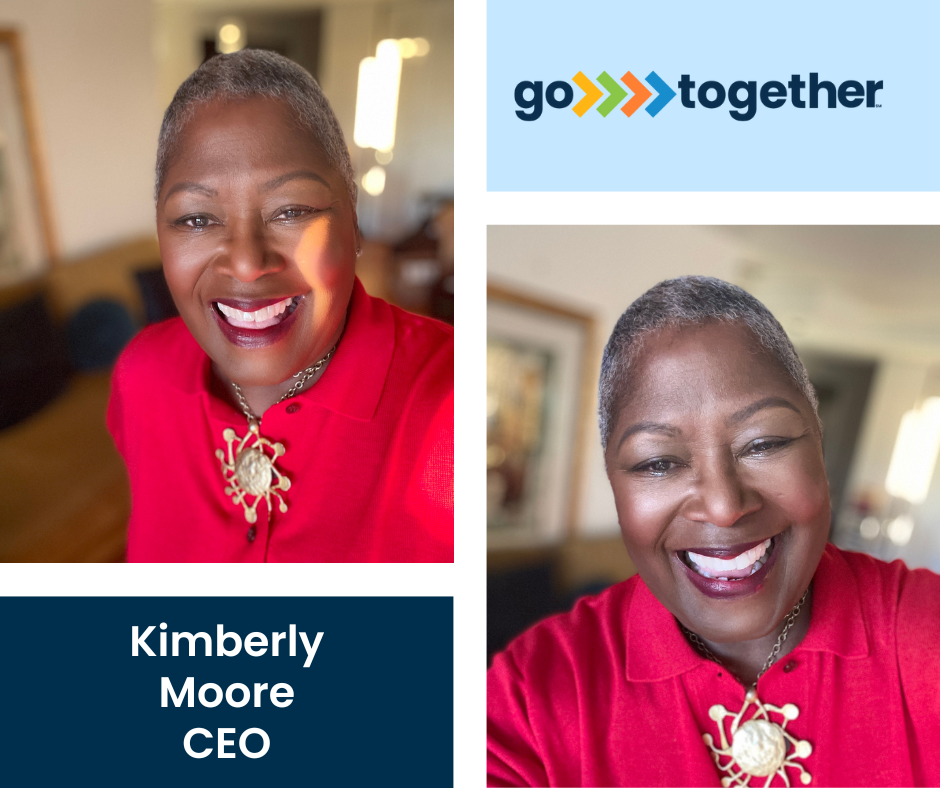
I spoke with Kimberly Y. Moore, CEO and cofounder of Go Together, about how schools can make those trips safer and easier to coordinate. Her company helps school communities organize verified carpools and other travel options that remove transportation barriers and expand school options.
Ask families how the trip works today
Kimberly first saw the problem when her sister needed help getting Kimberly’s niece home from school. She built The Mom Valet in 2014, inspired by her sister and friends in DC who needed to get to the suburbs in the middle of the day to pick up their kids. The web app gave parents an overview of the service, scheduling and payment tools, and a widget to track trips. After testing the idea with families, she acquired CarpooltoSchool software and changed the model.
The initial concept involved paying a driver to take children to school. Kimberly found that trust, operating cost, and the cost of reaching parents made it difficult to scale. The school community offered a stronger starting point: families could coordinate with people the school had verified.
That change is a useful product lesson. The core problem was access to a reliable trip. The workable product depended on who families would trust, who could verify participation, and who would pay for the coordination tool.
Make trust part of the workflow
Kimberly described trust as the currency Go Together exchanges with schools and parents. Approving families before they can use the platform demonstrates that safety and trust mean more than connecting them for trips. Some schools use background screening to build another layer of trust. Once approved, families can meet, create trips, and coordinate within their school community.

Districts generally pay for access per user, while private and charter schools often use an all-family subscription. A school can decide whether to cover the cost of access and screening or pass the cost to parents. Go Together also gives schools tools to explain the options to families.
Verification and adoption are connected. A family needs to know who is allowed into the system before a matching feature matters. A school needs to explain the process clearly enough that families actually use it.
School approval has a useful parallel in my AI Instructor Validation project. It checks instructor access requests against official school sources and gives uncertain cases a human review path. Go Together’s family checks serve a different purpose, but the shared lesson is clear: make verification part of joining the service and give people a way to resolve uncertainty.
Plan beyond the bus route
Kimberly described the national bus driver shortage as a reason to revisit the full set of travel options available to a district. Combining routes can leave a child on a bus longer or shift pickup to an inconvenient time. Some students need designated transportation. Others may be able to use a carpool, transit, a hub, or another route that fits their family.
Her question for a district is practical: how is each student getting to school now, what is the best way for each student to get to school, and what resources are already present in the community?
That question can guide software design too. A useful transportation system should capture family needs and constraints, support school approval, help families coordinate, and show whether the option is being used. Go Together’s student collaborators at Arizona State University have worked on an analytics dashboard for districts, along with mobile app projects. Kimberly said an AI-supported app was still awaiting launch at the time of our conversation. Technology helps, and it needs a well-thought-out plan connecting the needs of schools and districts with the needs of families.
Treat adoption as an operating problem
Kimberly also described the impact changes in Google search have had on connecting with schools and districts. Her team has been adjusting how it approaches visibility in third-party answer search, also known as answer engine optimization (AEO). It is a reminder that even a product solving an urgent problem needs a dependable way for schools to discover and understand it.
The same is true after a district buys a transportation tool. Schools need to make the tool part of their routine. School approval, clear communication, and family participation determine whether it becomes part of daily life.
My biggest takeaway from Kimberly was to begin with the real trip. Ask families what they already do, build trust into the coordination process, and measure whether students can get to school reliably.